Top Links
Northern Colorado Bird Alliance Presents
Mark Surls presenting
“Rodenticides and Colorado”
Thursday, February 12th, 2026
Social time with Refreshments: 7:00
Announcements 7:20;
Member Slideshow 7:30;
Fort Collins Senior Center, 1200 Raintree Dr.
***This program will also be accessible online using Zoom***
It will also be viewable in-person at the Senior Center.
Enter the following link on your web browser at 7 p.m. and follow the instructions to join the meeting virtually: https://us02web.zoom.us/j/86926950080
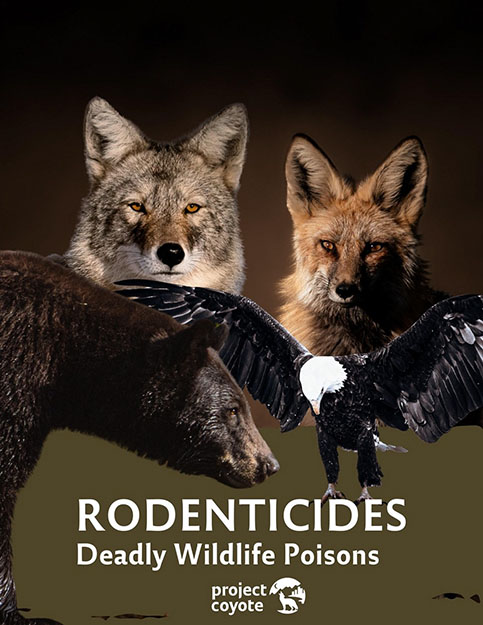
This talk examines how rodenticide poisoning reaches far beyond its intended targets and why Colorado is now considering legislation to prohibit the most dangerous poisons.
Rodenticides bio-accumulate in carnivores that consume poisoned rodents, affecting more than 25 wildlife species including hawks, owls, foxes, bobcats, coyotes, and mountain lions. These poisons can cause internal bleeding, immune suppression, increased vulnerability to diseases like mange, and widespread mortality in non-target wildlife.
The talk also explores the broader ripple effects on children, pets, and community health, and outlines long-term, sustainable solutions that reduce reliance on toxic chemicals while improving rodent management outcomes. It concludes with an overview of the Colorado legislation aimed at eliminating the most harmful poisons.
Mark Surls is the Colorado and Northern Rockies Coordinator at Project Coyote, where he helps expand the organization's core programs and campaigns across the region. Over the past four years he has been a vocal champion for rodenticide reform, broader carnivore protections, trophy hunting, and fur trapping while promoting coexistence education. Mark believes in the power of people to create change and is dedicated to helping communities speak up for wildlife and the wild places we all depend on.
Join us on Jan. 12th for this informative program that is free and open to the public. 